Common problems with hedge trimming on Archway Road
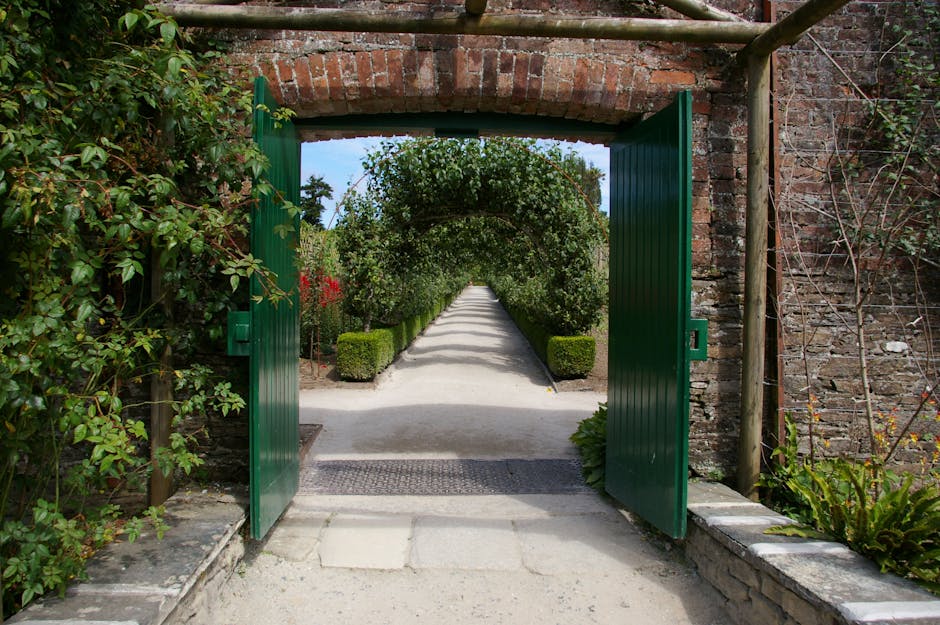
If you have ever looked at a hedge on Archway Road and thought, "That should be an easy trim," you are not alone. It often looks simple from the pavement, then suddenly you are dealing with uneven growth, awkward access, noise, mess, and the sort of branches that seem to fight back. Common problems with hedge trimming on Archway Road usually come down to timing, technique, safety, and the realities of working in a busy north London street where space is tight and gardens are not always straightforward.
This guide breaks down the most frequent issues people run into, why they matter, and what a sensible trimming process looks like in practice. You will also find a checklist, a comparison table, and a few grounded tips that should save you time, frustration, and a bit of money too. Let's face it, the hedge is often the first thing people see. When it goes wrong, the whole frontage feels off.
Why Common problems with hedge trimming on Archway Road Matters
On a street like Archway Road, hedge trimming is rarely just a cosmetic task. Hedges can sit close to pavements, front boundaries, shared walls, driveways, and parked cars. One poor cut can affect privacy, safety, light, and even neighbour relations. A hedge that has been hacked back too hard can take months to recover. A hedge that is left too dense can block access, make the garden feel smaller, and create a scruffy look that is hard to ignore.
The biggest issue is that hedge trimming mistakes are cumulative. You do not always notice the damage on day one. Then, a few weeks later, the shape is lopsided, the top is thin, and one side has pushed out because it was cut at the wrong angle. That is the annoying part. The hedge keeps reminding you.
For residents and property owners nearby, common problems with hedge trimming on Archway Road also matter because local gardens can be exposed to road dust, wind, and uneven light. In shaded front gardens, for example, growth can become leggy and sparse on one side. In sunnier spots, shrubs may shoot up fast and need more regular maintenance. So the approach has to suit the plant, the season, and the site, not just the look you want at the end.
Expert summary: Good hedge trimming is not really about "cutting things down." It is about maintaining shape, health, access, and long-term growth. The right cut now prevents a much bigger correction later.
If you are managing a wider outdoor area, it can help to think about the hedge as part of the whole garden. A tidy boundary works better when the rest of the space is kept in order too. Many people pair hedge care with garden maintenance or seasonal tidy-ups, especially where lawns, beds, and paths all need attention together. It keeps the place feeling coherent, not piecemeal.
How Common problems with hedge trimming on Archway Road Works
At its best, hedge trimming is a controlled process. You assess the hedge, check the growth pattern, remove what is overextended, and preserve a shape that allows light and air to reach the plant. That sounds neat on paper. In reality, most problems happen because people start trimming before they have read the hedge properly.
The first step is identifying the hedge type. Formal hedges, informal hedges, flowering hedges, and dense evergreen boundaries all respond differently. A box hedge, for instance, needs a much more delicate hand than a fast-growing leylandii or mixed boundary planting. If you trim everything the same way, the result can be patchy, brown at the edges, or out of proportion.
Another part of the process is deciding how much to remove. Too little and the hedge still looks shaggy. Too much and you risk cutting into old wood or exposing bare sections that do not regrow well. On Archway Road, where many properties have limited front space, there is also the practical side: access, ladders, neighbours' vehicles, and waste removal all have to be considered before the first cut is made.
In sensible professional work, hedge trimming is usually tied to a wider routine rather than treated as a one-off chore. That is why a proper hedge trimming service is often part of a broader upkeep plan rather than a quick seasonal tidy. It reduces the chance of overcutting and helps avoid the classic "it looked better in my head" problem. We have all seen that one.
Key Benefits and Practical Advantages
When hedge trimming is done well, the benefits are surprisingly broad. Yes, the hedge looks better, but that is only the obvious bit. You also get healthier growth, better structure, easier access, and less chance of the hedge becoming a nuisance later.
- Cleaner street-facing appearance: A crisp hedge line can make even a modest garden feel maintained and cared for.
- Better plant health: Removing congested growth improves airflow and helps light reach inner growth.
- Safer access: Paths, steps, gates, and sightlines stay clearer.
- Less long-term damage: Regular light trims are usually easier on the hedge than one severe cut.
- More predictable growth: A maintained hedge tends to respond more evenly from one season to the next.
There is also a psychological benefit, which sounds a bit grand but is true. A properly trimmed hedge makes the whole garden feel more manageable. When the boundary is neat, the rest of the space often feels easier to care for. Pairing hedge work with lawn mowing or even a small clearance session can give the whole front garden a proper reset.
For homeowners thinking about outdoor improvements more broadly, tidy hedging also sits well alongside other services such as landscaping and landscape gardening. In other words, the hedge is not separate from the rest of the plot; it is part of the overall shape of the space.
Who This Is For and When It Makes Sense
This topic is relevant to a few different people on Archway Road. If you own a house with a front hedge, manage a rental property, care for a small business frontage, or look after a shared residential garden, these problems can show up in slightly different ways. The plant may be the same, but the pressures are not.
It makes sense to pay close attention if:
- your hedge is near a pavement, boundary, or driveway
- you have not trimmed it properly in a while
- the growth is uneven, sparse, or woody at the base
- you are worried about overcutting or regrowth
- you need the garden to look presentable for visitors, tenants, or passers-by
- you have limited time or do not have the right equipment
Sometimes people only notice a hedge problem when it starts affecting daily life. You open the gate and branches snag your coat. The wheelie bin won't pass cleanly. The front bedroom feels darker than it should. That is usually the point where trimming stops being optional.
If the hedge has become part of a larger tidy-up, it may be worth looking at garden clearance too, especially where cuttings, weeds, or old growth are building up around the base. A cluttered base often hides issues that become obvious only after the first cut.
Step-by-Step Guidance
Here is the practical version. Not glamorous, but useful.
- Inspect the hedge from all sides. Look for uneven growth, dead patches, nesting birds, overhanging sections, and anything touching walls or fences.
- Decide the finish you actually want. A formal square shape needs different handling from a softer, more natural outline. Be realistic here.
- Check timing. Trimming at the wrong point in the season can stress the plant. Growth patterns matter more than the calendar alone.
- Clear the base first. Remove debris, litter, and low growth that blocks access. It makes the job easier and cleaner.
- Trim gradually. Take off small amounts, step back often, and check the line from a distance. This is the bit people rush. Then regret it.
- Shape the hedge with a slight taper. A slightly narrower top helps light reach the lower branches and reduces bare bottoms.
- Remove clippings safely. Do not leave wet cuttings sitting against the hedge. They hold moisture and make the area look untidy.
- Review the result after a day or two. Small imperfections are easier to see once the visual clutter has gone.
A good way to think about it: trim for the hedge's future, not just for the photograph you would like to take after lunch. That tiny mindset shift makes a real difference.
Expert Tips for Better Results
Most hedge trimming mistakes are preventable once you know what to look for. Here are a few things that tend to help in the real world, especially on tighter residential streets.
1. Use the natural growth line as your guide.
Forcing a hedge into a shape it does not want is usually why one side looks harsh and the other looks soft. Follow the plant's structure where you can.
2. Keep the top slightly narrower than the bottom.
This helps the lower sections receive more light. It also keeps the hedge looking balanced instead of top-heavy.
3. Don't trim too hard after a long gap.
If the hedge has been neglected, it is often better to reduce it in stages. A brutal first cut can leave ugly gaps.
4. Step back often.
Honestly, this is the simplest trick and one of the best. Look from the pavement, from the doorway, and from the far side of the garden if possible.
5. Work with the weather, not against it.
Wet, windy, or very hot conditions make trimming harder and messier. On a breezy morning, clippings seem to find every surface except the bag you put out for them.
There is also a broader maintenance angle. If your hedge forms part of a larger boundary or mixed planting bed, light ongoing care is usually smarter than waiting for a big seasonal panic. A regular routine, alongside services overview planning, helps keep the job predictable and less disruptive.
Common Mistakes to Avoid
This is where many hedge jobs go sideways. Not always dramatically, but enough to create extra work later.
- Cutting too much at once: Severe cutting can leave bare areas and stress the plant.
- Ignoring the species: Different hedges respond differently. A one-size-fits-all approach is rarely a good idea.
- Trimming only the visible side: The hidden side often causes the awkward bulge or lean you notice from the street.
- Leaving the hedge too wide at the top: This reduces light lower down and can cause thinning.
- Using blunt or unsuitable tools: Ragged cuts take longer to recover and look untidy.
- Forgetting waste removal: Clippings left behind can make a neat job look unfinished very quickly.
- Trimming near obstacles without checking first: Fences, lights, cables, and shared boundaries need care.
One of the less obvious mistakes is treating hedge trimming as separate from the rest of the garden. In practice, the hedge, lawn, beds, and any hard landscaping all influence how tidy the property feels. If the whole garden needs a reset, it may be more efficient to combine hedge work with landscaping or general maintenance rather than tackling everything one piece at a time.
And yes, sometimes the hedge wins the argument. That happens.
Tools, Resources and Recommendations
You do not need a van full of equipment to do a decent hedge job, but the tools you choose matter. A lot. The wrong tool can make a small task feel twice as hard and twice as messy.
| Tool or resource | Best for | Why it helps |
|---|---|---|
| Hand shears | Small hedges, detail work | Good for careful shaping and finishing |
| Hedge trimmer | Longer stretches or dense growth | Speeds up the main cut, if used carefully |
| Sturdy gloves and eye protection | Any trimming job | Basic protection from cuttings and debris |
| Rake and bags | Clippings and tidy-up | Helps keep the area usable and neat |
| Step ladder or platform | Taller hedges | Improves reach, but only when used safely |
If the hedge is tall, awkward, or close to a roadway, think carefully before reaching for a ladder. Access and balance matter more than speed. In many cases, it is safer and neater to use a professional team that already knows how to work around tight front gardens and limited side access.
For people comparing services, the practical details count too: insurance, waste handling, expected turnaround, and how well the work fits with the rest of the garden schedule. If you want to understand those wider service considerations, look at insurance and safety and pricing and quotes. Those pages help frame what a sensible, low-risk job should look like.
Law, Compliance, Standards, or Best Practice
There is no need to overcomplicate this, but hedge trimming does sit within a few important UK best-practice considerations. If a hedge borders a public pavement or road, you need to avoid creating an obstruction or leaving debris where people could trip. If the work affects visibility near a driveway or entrance, safety becomes even more important.
Bird nesting season is another point people often forget. In the UK, hedge cutting should be planned carefully where nesting birds may be present. That does not mean you can never trim. It means you should check conditions sensibly and avoid disturbing active nests. If there is any doubt, pause and assess. Better that than creating a problem you cannot reverse.
There are also straightforward duty-of-care points: use equipment correctly, protect workers and occupants, and manage waste responsibly. That may sound obvious, but in a busy residential street, obvious things are the ones most likely to get overlooked in a rush.
Good practice also includes clear communication with neighbours where overhanging growth or shared boundaries are involved. A quick conversation can prevent a strangely awkward afternoon. Trust me, it is usually worth it.
Options, Methods, or Comparison Table
Different hedge situations call for different approaches. Here is a simple comparison to help you decide what fits best.
| Method | Best suited to | Pros | Watch-outs |
|---|---|---|---|
| Light regular trimming | Healthy hedges with steady growth | Neat finish, less stress on the plant | Needs consistency |
| Seasonal shaping | Mixed or slower-growth hedges | Flexible and manageable | Can drift out of shape if left too long |
| Hard reduction | Overgrown hedges needing correction | Restores size and access | Risk of damage if done too aggressively |
| Professional maintenance plan | Busy households, larger plots, taller hedges | Predictable, safer, less hassle | Costs more than DIY in the short term |
For many Archway Road properties, the middle ground is the sweet spot: regular, modest trimming with a sensible seasonal rhythm. Not dramatic. Not neglected. Just maintained.
Case Study or Real-World Example
Picture a front hedge on Archway Road that had been left alone through a wet spring and an unexpectedly warm early summer. The result was familiar: one side pushed into the pavement line, the top shot ahead, and the base started looking thin because it had been shaded too much. The homeowner assumed it needed a severe cut all around. That is the instinct, anyway.
Instead, the better approach was to reduce only the most overextended sections, keep the top slightly tapered, and clear the base so light could start reaching the lower growth again. The hedge was not transformed in one dramatic afternoon. It just began to settle back into shape. By late summer, the frontage looked calmer, and the hedge had kept enough structure to recover well.
That is the bit people often miss. A hedge does not always need a heroic rescue. Sometimes it needs restraint, a little patience, and the discipline to stop before you have gone one cut too far.
Practical Checklist
Use this before any hedge trimming job, especially if the hedge is visible from the street or close to a boundary.
- Check the hedge type and growth pattern
- Inspect for dead wood, nesting activity, and hidden obstacles
- Decide on the final shape before cutting
- Make sure tools are sharp and suitable
- Protect nearby surfaces, paths, and plants
- Trim in small stages and step back often
- Keep the top slightly narrower than the base
- Remove all clippings and debris
- Review the result from different angles
- Plan the next maintenance date before forgetting it, which happens more often than we admit
If the job is larger than expected, or if the hedge is tangled in with other garden tasks, you may want to fold it into a wider maintenance visit. That is often simpler than patching problems one by one.
Conclusion
The common problems with hedge trimming on Archway Road are usually not mysterious. They are practical: poor timing, uneven cutting, bad access, overgrown sections, and the temptation to do too much in one go. Once you understand how hedges actually respond, the job becomes much more manageable.
Whether you are keeping a neat frontage, restoring an overgrown boundary, or simply trying to make the garden feel less chaotic, the aim is the same: steady, sensible trimming that protects the hedge and improves the look of the property. Small, careful decisions now tend to pay off later. That is especially true on a busy street where first impressions matter and space is at a premium.
If you are weighing up your next step, it helps to review the service details, check what kind of maintenance support is available, and decide whether the hedge needs a light tidy or a more structured visit. A measured approach usually gives the best results, and it tends to feel a lot less stressful too.
Get a free quote today and see how much you can save.
And if all you do after reading this is look at your hedge with slightly more respect, well, that is a good start.
Frequently Asked Questions
What are the most common problems with hedge trimming on Archway Road?
The most common problems are uneven cutting, trimming at the wrong time, poor access, overcutting, and leaving the hedge too wide at the top. In busy residential streets, waste removal and neighbour boundaries can also create friction.
Why does my hedge look patchy after trimming?
Patchiness often happens when a hedge has been cut too hard or the outer growth has been removed unevenly. Some hedge types also do not respond well to repeated heavy cutting, especially if older wood has been exposed.
How often should hedges be trimmed in a typical London garden?
That depends on the species and how fast it grows. Many hedges benefit from regular light trims rather than occasional heavy ones. Fast growers may need more frequent attention, while slower shrubs may only need shaping once or twice a year.
Can I trim a hedge during bird nesting season?
Only with care. In the UK, you should check for active nests before trimming because disturbing nesting birds can be a problem. If you are unsure, it is best to pause and inspect properly first.
What happens if I cut a hedge too hard?
A hard cut can expose bare sections, stress the plant, and leave the hedge looking thin for a long time. Some hedges recover well, but others do not, so it is safer to reduce growth gradually where possible.
Is hedge trimming different from hedge cutting?
People often use the terms interchangeably. In practice, trimming usually means shaping and maintaining the hedge, while cutting can sound more aggressive. The method matters more than the word, honestly.
What should I do with hedge clippings?
Clippings should be collected and removed promptly so they do not sit against the hedge or block paths. If there is a lot of material, combining the job with garden clearance can make the tidy-up much easier.
When should I call a professional instead of doing it myself?
If the hedge is tall, near traffic, close to cables or walls, or has become badly overgrown, professional help is usually the safer choice. It is also sensible if you want a cleaner finish without the trial-and-error stage.
How can I tell if my hedge needs maintenance rather than a one-off trim?
If the hedge is repeatedly outgrowing its space, losing shape quickly, or becoming sparse at the base, it probably needs regular maintenance rather than a single cut. A maintenance plan is usually easier to manage long term.
Does hedge trimming improve privacy?
Yes, when done correctly. A well-managed hedge keeps its density and shape better than an overgrown or badly cut one. The trick is to maintain structure without stripping away too much growth.
What safety issues should I think about on a busy road like Archway Road?
You need to think about footing, tools, falling cuttings, pedestrians, parked vehicles, and whether the hedge creates any visibility issues. Safety matters more than speed, especially where the work is close to a pavement or driveway.
Where can I learn more about service standards and what to expect?
It is helpful to review the company's services overview, along with information on insurance and safety and about us. That gives you a better sense of how the work is approached and what a careful service should include.